
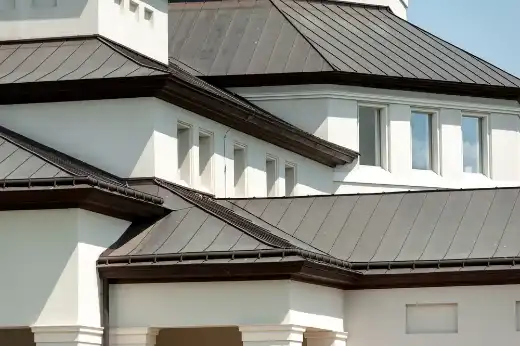
How long a roof lasts depends mostly on what it’s made of, how well it was installed and how well the attic underneath is ventilated. Our climate matters too: hot, humid summers, freeze-thaw cycles all winter and the occasional nor’easter all take their toll. Here’s what to expect from the most common roofs in our area.
Typical roof lifespans
These are typical ranges for roofs that were installed well and looked after. Your roof may last longer or wear out sooner.
- 3-tab asphalt shingles: about 15 to 20 years. These flat, thin shingles were the standard for decades and are on many older homes.
- Architectural (dimensional) shingles: about 25 to 30 years. Thicker and heavier than 3-tab, they handle wind better and are what most homeowners choose today.
- Standing seam metal: about 40 to 70 years. Metal costs more up front but can outlast two or three shingle roofs.
- Natural slate: 75 to 100 years or more. Many older homes around Philadelphia still have their original slate. Often the slate is fine and it’s the flashing or nails that need work.
- Cedar shake: about 20 to 30 years, depending on how much sun and moisture the roof gets.
- Flat roofs (EPDM rubber, TPO, modified bitumen): about 15 to 25 years. Common on row homes, porches, additions and garages.
What makes a roof wear out faster
- Poor attic ventilation. A hot, damp attic bakes shingles from below in summer and causes ice dams and condensation in winter.
- Sun exposure. South- and west-facing slopes usually wear out first.
- Trees. Overhanging branches scrape shingles, drop debris and keep the roof damp, which helps moss and algae grow.
- Clogged gutters. Water that backs up at the roof edge rots the boards and fascia.
- Installation shortcuts. Missing ice and water shield, reused flashing or too few nails can cut years off a new roof.
- Layering over an old roof. A second layer of shingles traps heat and hides problems in the boards underneath.
How to make your roof last longer
- Have the roof inspected every year or two, and after any big storm.
- Clean the gutters at least twice a year, in late spring and late fall.
- Trim branches back from the roof.
- Fix small problems, like a lifted shingle or a cracked vent boot, before they let water in.
- Make sure the attic has both intake vents at the eaves and an exhaust vent near the ridge.
How to tell when it’s time
Age is only one clue. Curling or cracked shingles, granules in the gutters, leaks in more than one place or a sagging roofline mean the roof is near the end of its life, whatever its age. Our article on signs your roof needs replacing explains each one.
Not sure how old your roof is?
If you bought the house without knowing the roof’s age, a roofer can usually estimate it from the shingle type and condition. We offer free inspections with photos, and we’ll tell you honestly whether you need a roof repair or a full roof replacement.
More Articles
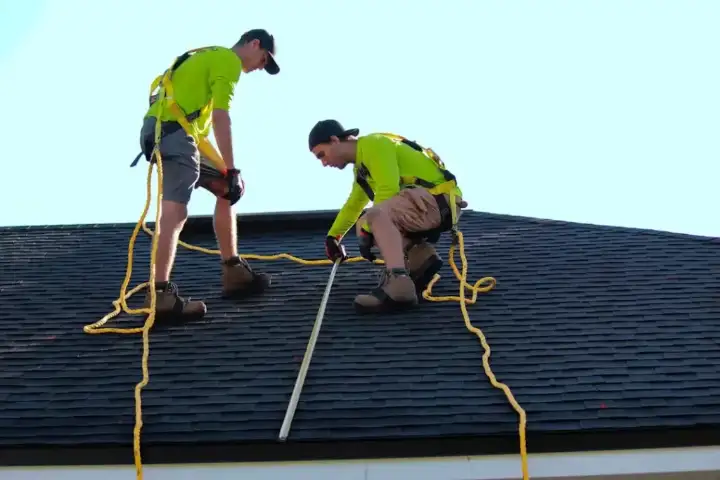
Ready to Protect Your Home?
Get your free, no-pressure estimate. Our local team will look at your roof and exterior and give you clear, upfront pricing.
(888) 494-1248Licensed & insured · 25+ years of experience · PA HIC #PA209178 · NJ HIC #13VH14032800
Last updated · EcoGreen Roofing And Exteriors · PA HIC #PA209178 · NJ HIC #13VH14032800